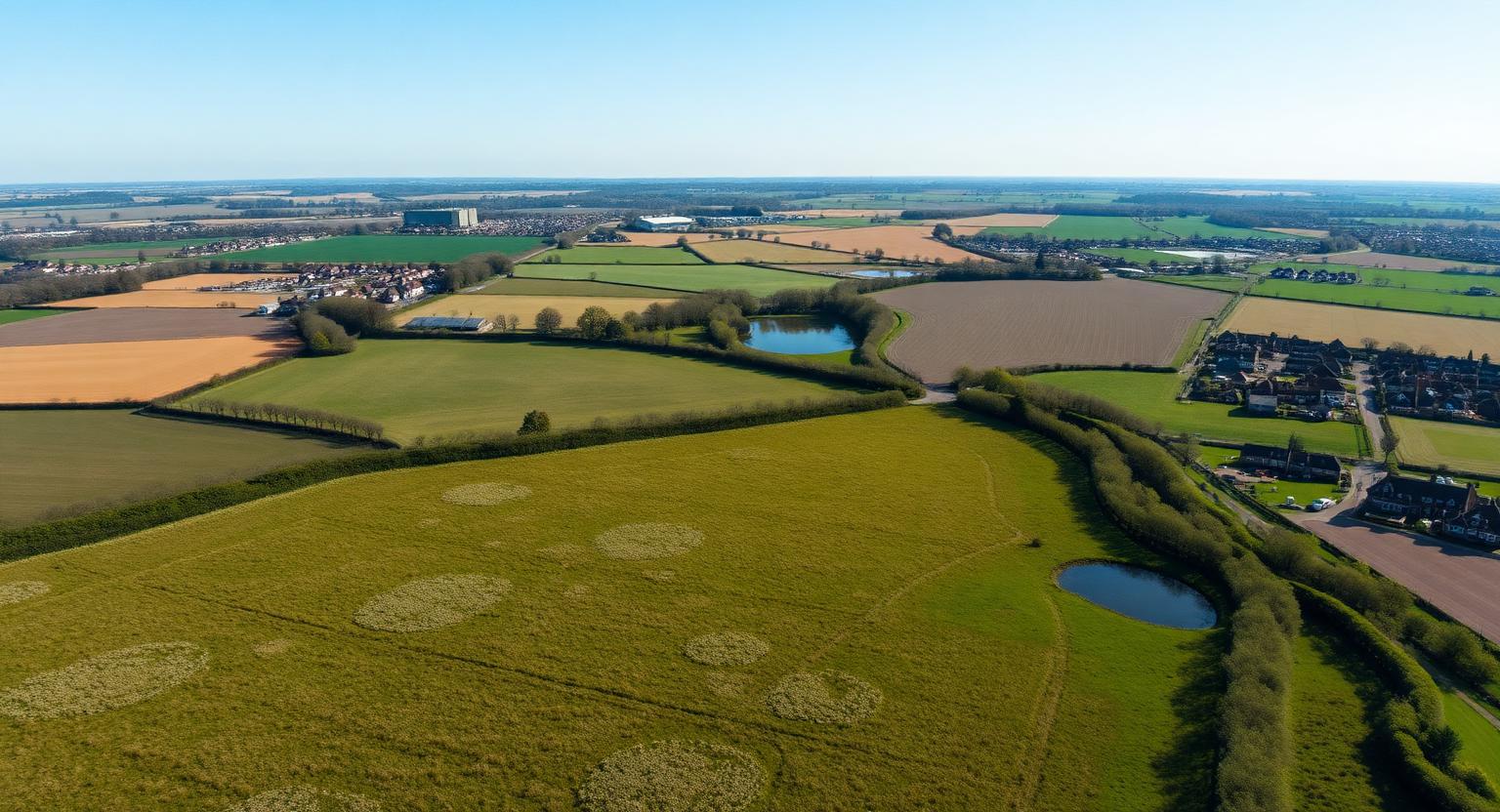
How to Get a Job in Environmental Conservation in the UK
A practical, recruiter-led guide for candidates breaking into ecology, conservation and environmental consultancy careers across the UK.

Environmental conservation is one of the most competitive — and most rewarding — sectors to break into in the UK. Demand for ecologists, BNG specialists and sustainability professionals has grown sharply since the Environment Act 2021, but employers still report the same problem: too many CVs, not enough demonstrable field experience.
As specialist UK ecology recruiters, we read hundreds of applications a week. This is what actually moves the needle.
1. Pick a lane early: ecology, sustainability or conservation delivery
Most graduates apply to everything labelled 'environmental'. Hiring managers can spot it instantly. Decide whether you want to be a field ecologist (surveys, protected species, BNG), a sustainability/ESG consultant (carbon, reporting, net zero) or a conservation practitioner (NGOs, reserves, land management). Each has a different CV, different training and a different first job.
2. Get the licences and CIEEM membership employers actually filter for
Consultancies routinely filter CVs by Natural England protected species licences (bat Class 1/2, GCN, dormouse, barn owl) and by CIEEM grade. If you're a graduate, join CIEEM at Qualifying level immediately, log CPD, and start shadowing licensed surveyors so you can move toward your own licence within 18–24 months.
- CIEEM membership (Qualifying → Associate → Full)
- Natural England survey licences (bat, GCN, dormouse)
- QGIS basics — many job adverts list this as essential
- Clean UK driving licence and willingness to travel in survey season
3. Treat survey season (April–September) as your interview window
Most ecology hiring happens between January and April so teams are staffed before survey season. If you can show two seasons of voluntary surveys — bats, reptiles, water voles, breeding birds — your CV jumps several levels above a pure-academic one.
4. Write a CV a senior ecologist will actually read
Two pages. Specific species and habitats you've surveyed. Software you've used (QGIS, MapInfo, MagicMap). Number of Preliminary Ecological Appraisals you've supported on. Drop the generic 'passionate about the environment' line — everyone applying is.
5. Use a specialist recruiter, not a job board scattergun
Generalist boards bury ecology roles under thousands of unrelated jobs. A specialist agency like Enviro Recruitment will tell you honestly whether a role suits you, prep you for the interview, and feed back even when the employer doesn't. Browse our live ecology, landscape and environmental jobs to see what's currently open.
Ready for your next move?
Browse live UK ecology, landscape and environmental roles, or send us a confidential CV.