Bat Surveys in the UK: Costs, Timing, and Why You Probably Need One
A practical 2026 guide to bat surveys in the UK — what they cost, how long they take, when they have to happen, how long they stay valid, and why your roof project may need one.
Bat surveys are the single most common reason a UK planning application gets held up. All 18 species of bat in Britain are European Protected Species — it is a criminal offence to harm them or damage their roosts, intentionally or not. If your site might support bats and you don't have the right survey evidence, you don't have a decision.
This guide explains what a bat survey is, when you actually need one, how much they cost in 2026, and how long the results stay valid for. We recruit the ecologists who carry these out, so we hear the same client questions every week.
Do I actually need a bat survey?
If you're applying for planning permission and your scheme involves any of the below, the LPA's ecology consultee will almost certainly ask for at least a Preliminary Roost Assessment:
- Demolition or significant alteration of any building over 30 years old.
- Re-roofing, especially anything involving the removal of slate, tile or lead flashing.
- Conversion of barns, churches, mills, stables or any vernacular stone building.
- Felling of mature trees with cavities, splits, or peeling bark.
- Works to bridges, tunnels or underground structures.
The two-stage survey process
Bat surveys in the UK follow the Bat Conservation Trust's good-practice guidelines and almost always come in two stages.
- Stage 1 — Preliminary Roost Assessment (PRA). A daytime inspection of the building or tree to look for droppings, staining, urine smears and potential roost features. Can be done year-round.
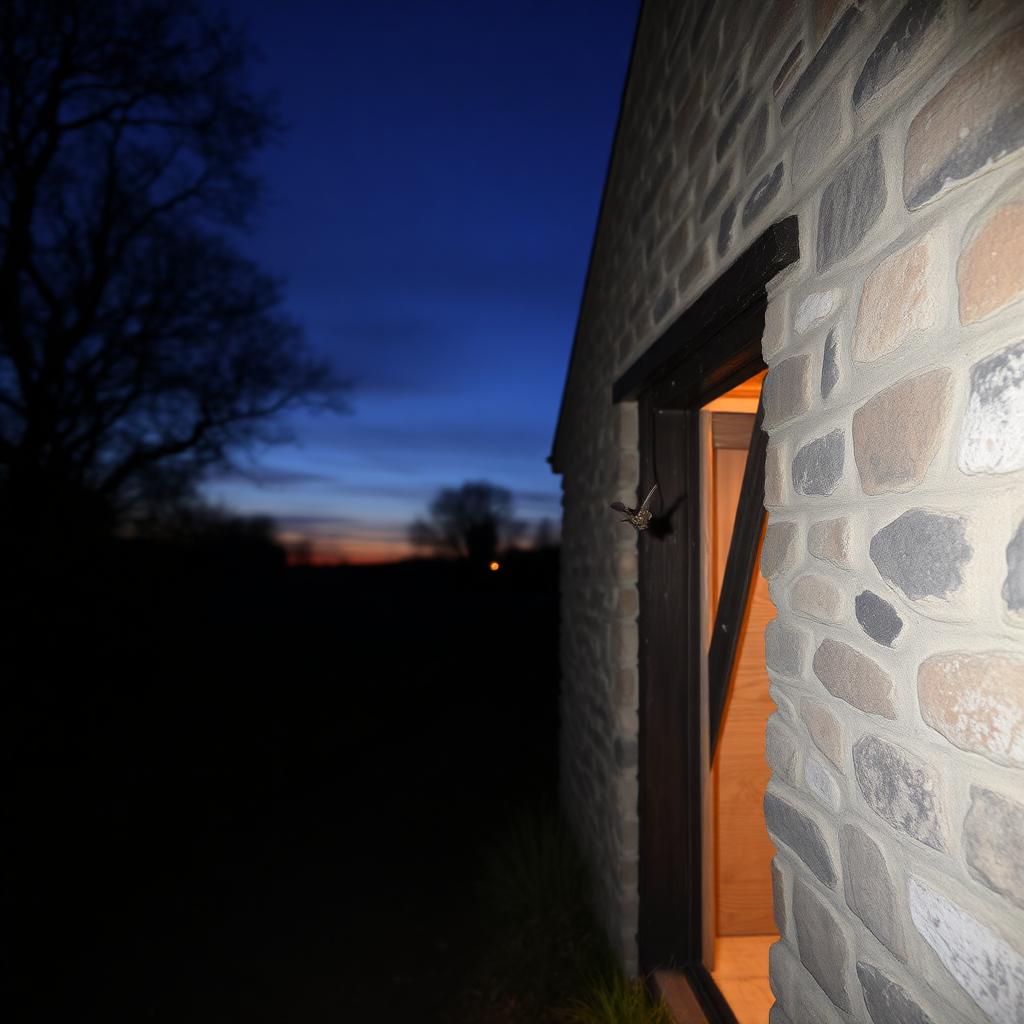
- Stage 2 — Emergence and re-entry surveys. If the PRA finds 'low', 'moderate' or 'high' suitability, ecologists return at dusk to watch bats leave the roost and at dawn to watch them return. Number of visits depends on suitability: low = 1, moderate = 2, high = 3, spread across the active season.
When can bat surveys be done? (the season question)
PRAs can be carried out any time of year. Emergence and re-entry surveys can only be done between May and September, and ideally May to August for the most reliable evidence. Some surveyors will accept late April or early September, but most LPAs will push back if all your visits are at the edges of the season.
Hibernation surveys (for sites with hibernation potential like caves, cellars and ice-houses) happen between December and February — a totally different window.
How long does a bat survey take?
A PRA on a typical residential building takes 2–4 hours on site and produces a short report within a week or two. Emergence/re-entry visits each take about 2 hours (15 minutes before sunset / sunrise to 90 minutes after), with two surveyors minimum on most buildings.
If a roost is found, you then need a European Protected Species Mitigation Licence (EPSML) from Natural England, which typically adds 30–60 working days to your programme. Plan for it — late discovery of a bat roost is the single most common cause of a planning project slipping by a season.
How much does a bat survey cost in 2026?
Honest UK ranges from offers we see weekly:
- Preliminary Roost Assessment: £400–£800 for a typical house or small barn.
- Single emergence / re-entry visit: £450–£700 per visit (two surveyors).
- Full Stage 2 package on a 'moderate' suitability building: £1,800–£3,500.
- EPSML application and method statement: £2,000–£6,000+ depending on complexity.
- Hibernation survey: £600–£1,200 per visit.
How long is a bat survey valid for?
There is no statutory expiry, but most LPAs follow CIEEM and Bat Conservation Trust guidance: surveys are generally accepted as current for 12–24 months, with 18 months being the most common cut-off in practice. Older surveys may be accepted with a confirmatory walk-over if the site has not changed.
If you've sat on a permission for more than two seasons and the building has been sitting empty, expect to be asked to refresh.
Choosing a bat surveyor
Use a consultancy whose surveyors hold Natural England bat licences (Class 1, 2 or 3), full CIEEM membership and demonstrable LPA-area experience. The cheapest quote is almost never the best — a rejected report from a surveyor the LPA doesn't trust costs you another whole season.
We recruit licensed bat ecologists into every major UK consultancy. If you're an ecologist looking to develop your bat work, talk to us — bat-licensed ecologists are some of the most in-demand candidates in the sector.
Ready for your next move?
Browse live UK ecology, landscape and environmental roles, or send us a confidential CV.